



The Minister of State in charge of Government Communications, Felix Ofosu Kwakye, has announced sweeping plans to expand and modernise facilities at the Accra International Airport, in a move aimed at easing congestion and enhancing passenger experience.
In a post shared on Saturday, 4 April, the Minister revealed that the current parking infrastructure at Terminal 3—designed to accommodate just 513 vehicles—has become grossly inadequate, resulting in persistent congestion, particularly during peak travel periods.
To address the situation, he disclosed that construction will commence this year on a new seven-storey car park expected to provide approximately 2,000 parking bays. The significant increase in capacity is intended to improve access for passengers, visitors, and airport staff.
Beyond parking, the expansion project will introduce a range of commercial and leisure facilities designed to elevate the airport’s status as a modern aviation hub. These include an additional 4,000 square metres of retail space, which will host a shopping mall and a variety of restaurants.
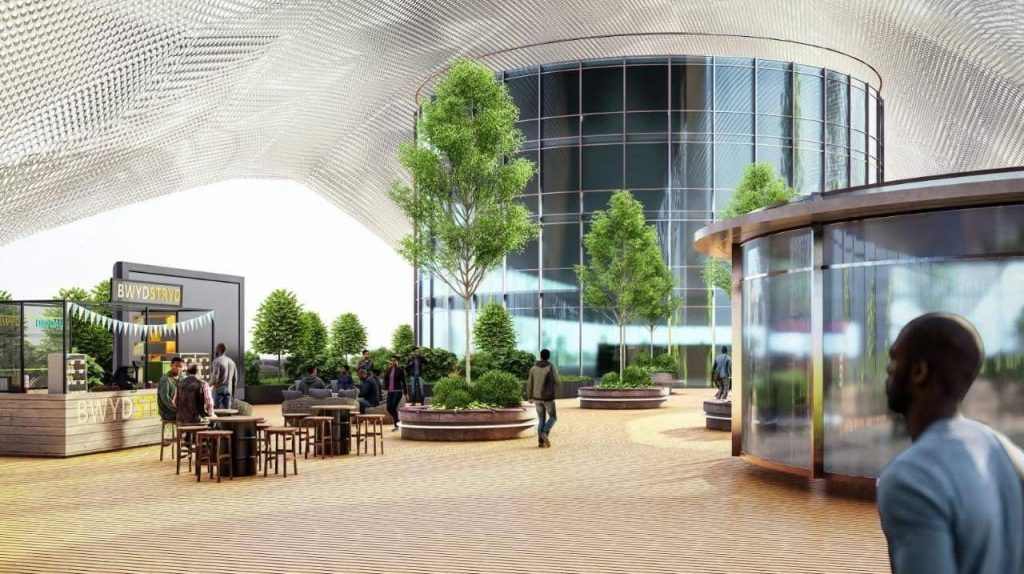
Plans are also underway to construct a sky-view lounge, offering patrons a vantage point to observe aircraft takeoffs and landings—an innovation expected to enhance the overall airport experience.
A key feature of the redevelopment is the introduction of a two-in-one airport hotel. According to the Minister, the facility will comprise a 250-room budget hotel alongside a 120-room luxury component, catering to the diverse needs of travellers, including those affected by delayed or rescheduled flights.

The project will further include a conference facility and a fully equipped business centre, positioning the airport as not only a transit point but also a destination for business and corporate engagements.
Government officials say the initiative forms part of broader efforts to transform Ghana’s main international gateway into a competitive, world-class aviation hub within the West African sub-region.
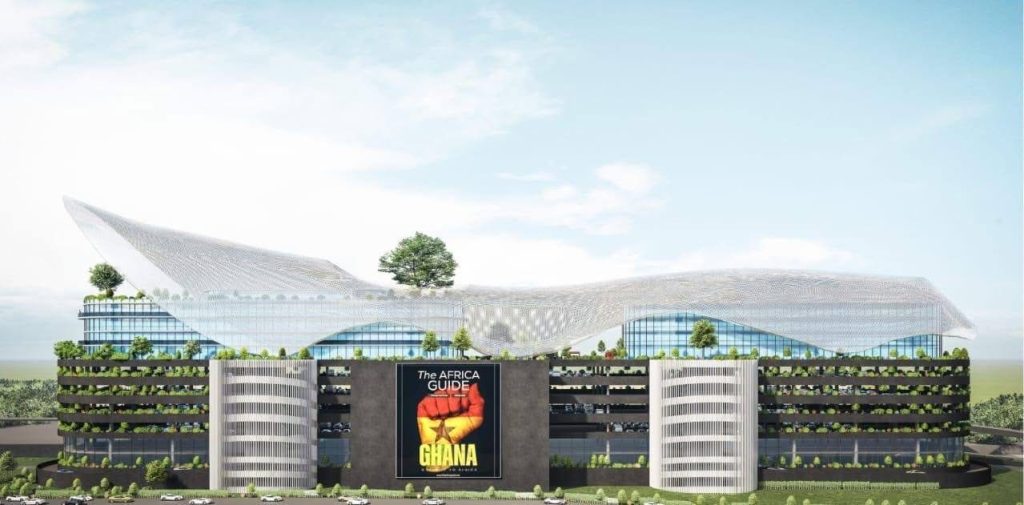
The expansion comes amid growing passenger traffic and increasing pressure on existing infrastructure, with authorities seeking to align airport services with international standards while supporting tourism and economic growth.
