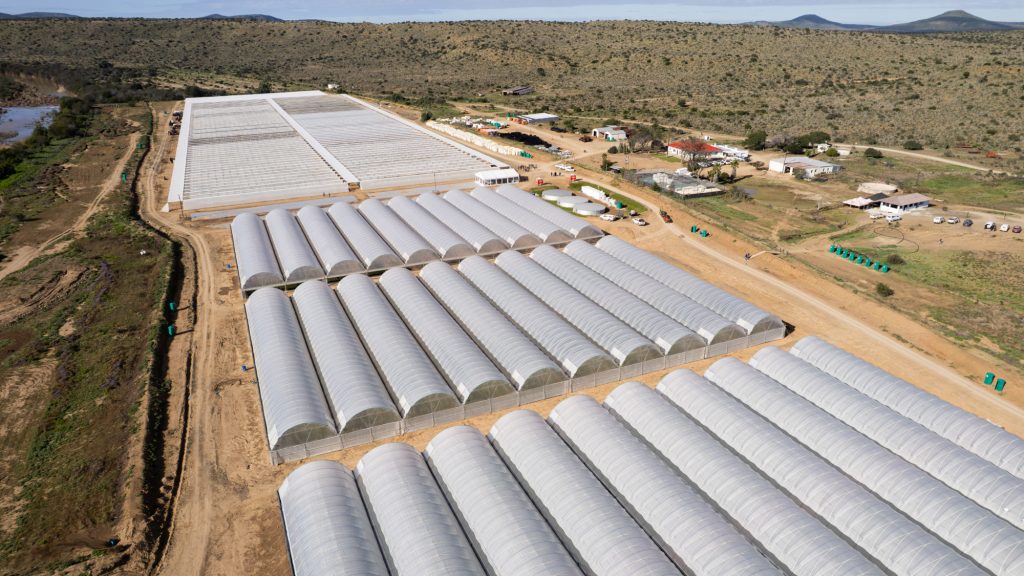

The hills in South Africa’s Eastern Cape are connected to the families who live there. Farmers grow their crops in the soil while animals graze on the vegetation.
But over time, the Albany thicket covering large parts of the landscape has disappeared. Years of land use have left it struggling to support nature and the communities that depend on it.
Amazon has announced it is investing in one of the world’s largest nature-based carbon removal programmes, helping to bring the area back to life.
The ambition of the programme is breathtaking. Amazon’s support will enable more than 50 000 hectares of exhausted land to be restored over the coming years, largely thanks to a remarkable plant called spekboom.
Spekboom is a hardy succulent that can help turn dusty, dry, degraded land back into thriving habitats and help tackle climate change at the same time.
Scientists have found that spekboom can remove carbon from the atmosphere at rates comparable to young tropical forests. What’s more, the plant transforms the ground around it. By restoring moisture and improving soil health, it creates the conditions for native grasses, shrubs and trees to return – followed by birds, insects and mammals that haven’t thrived there for decades.
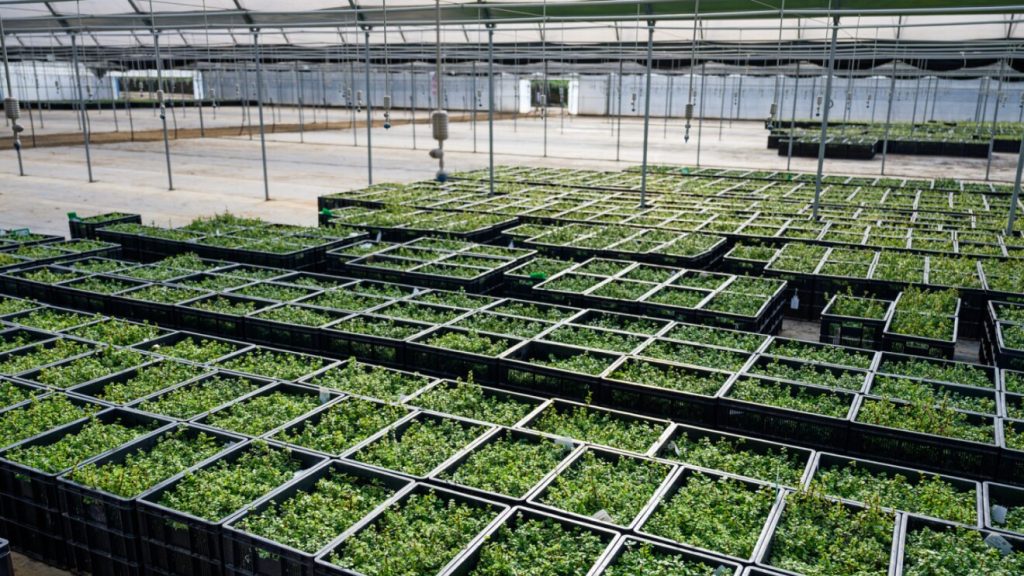
By the end of 2028, 180 million spekboom cuttings will be planted across the landscape, bringing new life to the Albany thicket – a distinctive ecosystem that has been in decline for decades.
But this isn’t simply a story about plants. It’s about people, too.
The Amazon-backed restoration programme is expected to create around 11 000 jobs by 2030 in one of South Africa’s most economically disadvantaged regions, while training local businesses in ecological restoration and injecting more than R800 million into surrounding communities through wages, procurement, landowner payments and community investment.
Why spekboom is used in land restoration
Unlike many restoration projects that rely on planting trees, this one centres on a native succulent that evolved specifically for the Eastern Cape’s harsh climate.
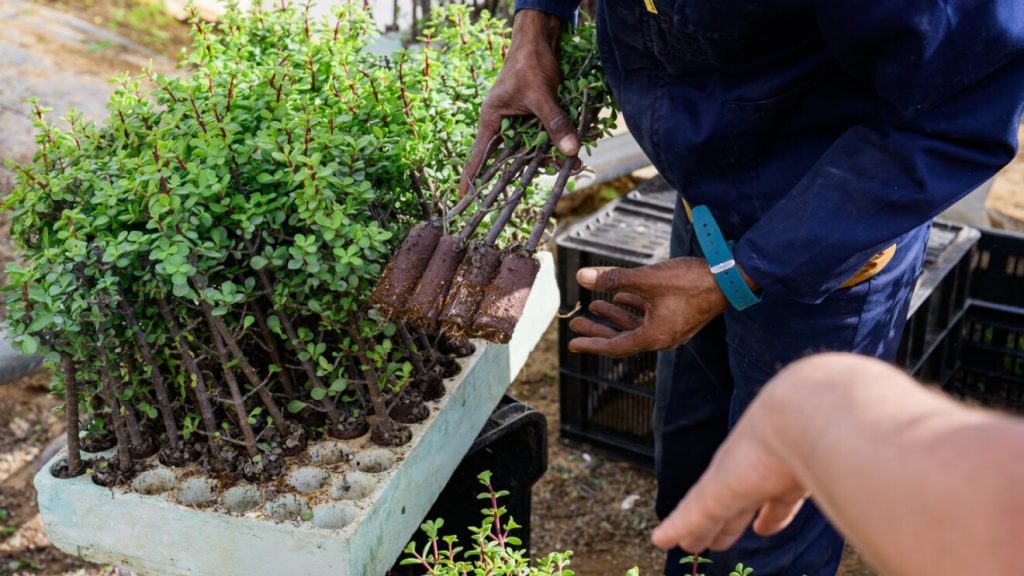
Known locally as elephant bush because elephants browse its leaves, spekboom flourishes where many other plants struggle. It grows from simple cuttings placed directly into the soil, making restoration practical at enormous scale. As the plants mature, they gradually cool the landscape, improve depleted soils and create conditions for entire ecosystems to recover naturally.
Today, the project area is home to 165 recorded plant and animal species, including several considered vulnerable by conservationists.
Its noteworthy ecological impact has earned international recognition, with the United Nations naming spekboom restoration one of its World Restoration Flagship initiatives.
How Amazon is supporting the restoration programme
Large-scale restoration requires more than remarkable plants – it also requires long-term investment.
Amazon has committed to purchase 1.95 million tonnes of carbon removal credits generated by the project over more than a decade, one of the largest private sector commitments to nature restoration in South Africa’s history.
That long-term commitment enabled the World Bank to launch an innovative Spekboom Outcome Bond, giving investors the confidence there would already be a buyer for the project’s future carbon credits. These credits are available for qualified companies to purchase through Amazon’s carbon credit service.
The credits will meet some of the world’s highest standards for nature-based carbon removal, carrying both the ABACUS label and the Climate, Community & Biodiversity certification.
“This is a story about nature, community, ingenuity and scale,” said Kara Hurst, Amazon’s chief sustainability officer, when she visited the project site. “Spekboom is a natural wonder, but it can’t heal the land without help from the people who call the Eastern Cape home. This project will restore the ecosystem and create jobs: a model for how nature-based solutions can enable both climate action and economic development.”
The project forms part of Amazon’s work toward its Climate Pledge goal to reach net-zero carbon across its operations by 2040.
A proven track record
The project is already underway. Phase one – with 30 million plants covering 10 000ha – has been in progress since April 2024. More than 50 000ha will be added to the project as a result of Amazon’s support.
The project holds an AA.pre Standalone Rating from BeZeroCarbon – an independent agency that assesses the quality of carbon credits – making it one of the highest rated afforestation, reforestation and revegetation projects in the world. The AA.pre rating, on a scale from AAA (highest) to D (lowest), indicates a high likelihood that the project’s carbon credits represent real, verified carbon dioxide removal.