



The Chief Executive Officer of the Millennium Development Authority (MiDA), Alex Mould, has raised grave concerns over what he describes as “wasted agricultural assets” across Ghana’s Middle Belt, following an extensive field assessment of key farming zones.
The week-long tour, which spanned parts of the Ashanti, Bono, Ahafo and Bono East Regions, exposed a troubling pattern of neglect, underutilisation and outright vandalism of critical agricultural infrastructure meant to drive food production and agribusiness growth.
Mr Mould, who led the seven-day mission, said the exercise was aimed at assessing water resources, irrigation potential, agricultural value chains and institutional coordination systems, with a view to identifying strategic investment opportunities.
The MiDA delegation engaged traditional authorities, regional and district officials, and private sector agribusiness operators, while undertaking technical inspections of irrigation schemes, dams, inland valleys, markets and agro-processing facilities.
However, what was intended as an exploratory mission quickly turned into a stark revelation of systemic neglect.
“Going around the farming areas in this country has revealed that we have a lot of wasted assets,” Mr Mould lamented. “Investments have been made over the years, but there has been a lot of neglect in terms of operations and maintenance.”
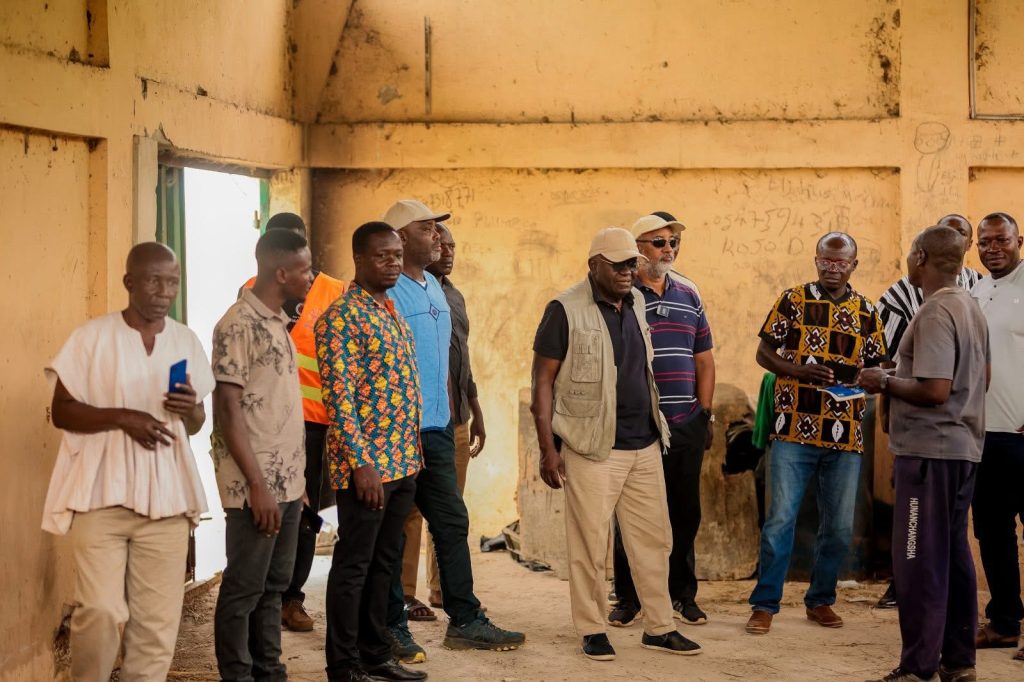
At the Subinja irrigation site, the situation was particularly alarming. The MiDA team discovered that vital components of the facility had been stripped bare.
According to Mr Mould, the pump house, which originally housed four pumps and an electricity transformer, has been completely looted.
“The pump house originally contained four pumps, an electricity transformer, but these installations have since been stolen,” he revealed.
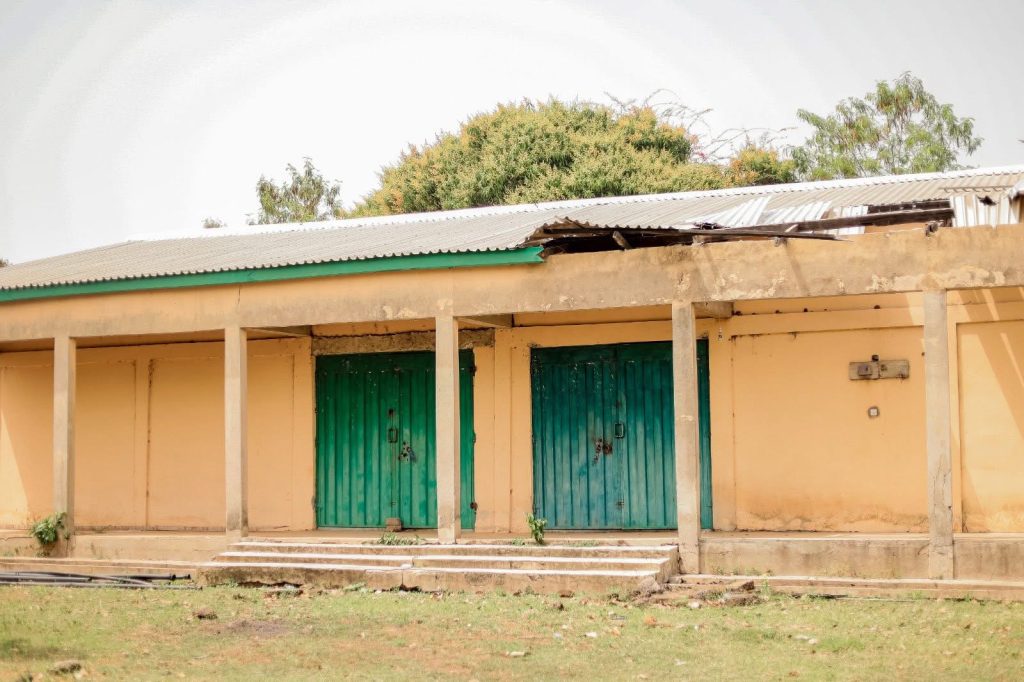
He stressed that restoring the facility would require a coordinated national response, involving the Ghana Irrigation Development Authority (GIDA) and the Ministry of Food and Agriculture.
“To rehabilitate the dam, we will need GIDA to conduct a feasibility assessment on how to restore the equipment, dam and fields, rehabilitate the pump house, pumping and piping systems, and restore irrigation canals and reconnect electricity to the facility,” he explained.
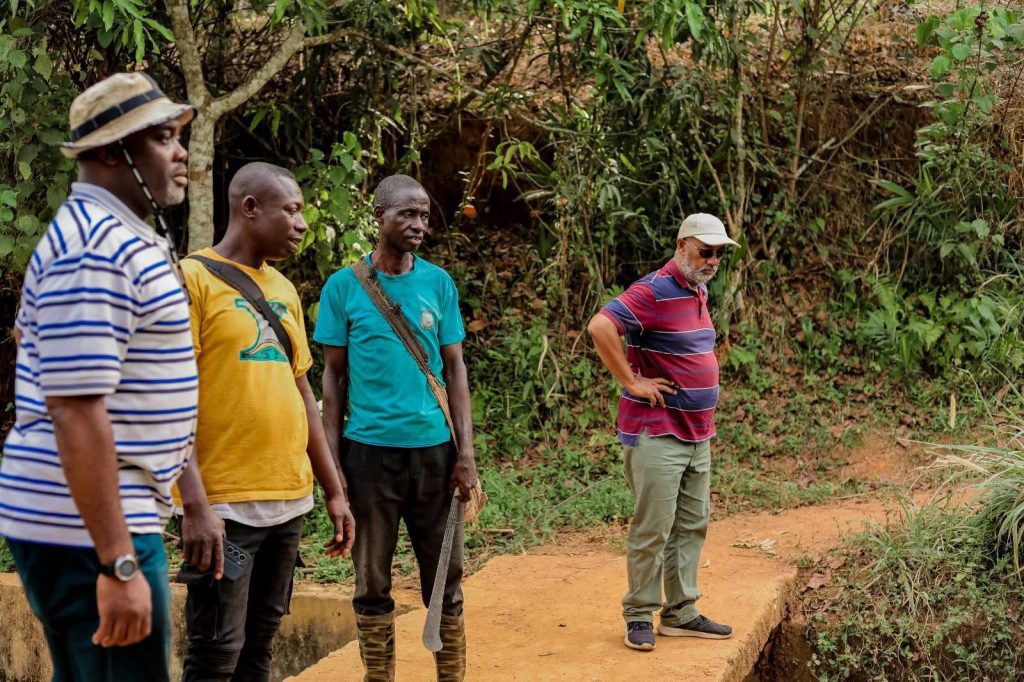
Beyond the decay, the MiDA CEO pointed to glaring inefficiencies in the utilisation of existing irrigation capacity, particularly in rice-growing enclaves within the Tano North and South Municipal Districts.
“We just left a rice irrigation field that has the capacity to cultivate about 1,000 acres but is currently producing only about 300 acres,” he disclosed.
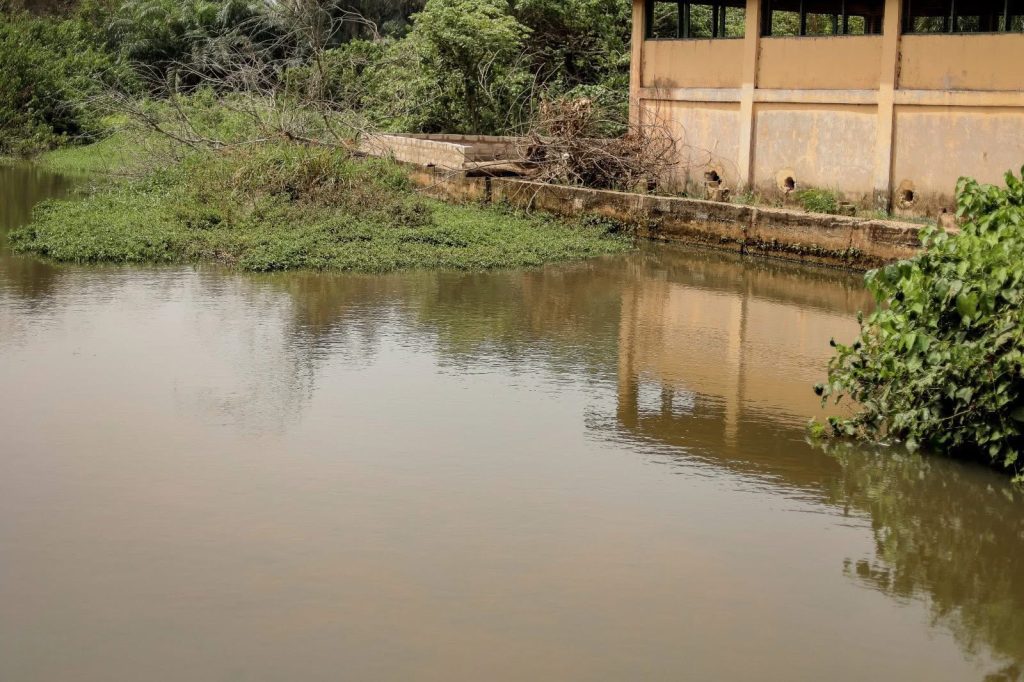
Mr Mould attributed the shortfall to incomplete infrastructure, notably a dam project initiated in 2008 but never fully executed.
He noted that completing the dam and constructing a concrete canal distribution system could unlock the full potential of the scheme, enabling year-round farming.
“If we can supply water throughout the year, and provide improved agronomy practices, production could increase from about 1,000 tonnes of paddy rice annually to between 6,000 and 7,000 tonnes,” he said.
Mr Mould described many of the abandoned and underperforming sites as “brownfield opportunities” — existing assets that can be revitalised with targeted investments to yield quick and significant returns.
According to him, rehabilitating such infrastructure would not only boost primary production but also catalyse the growth of agro-processing industries.
He emphasised that scaling up output in these areas could support the establishment of rice mills and other processing facilities, strengthening agribusiness value chains.
Such interventions, he argued, are critical to reducing Ghana’s heavy reliance on imported food commodities, particularly rice.
The MiDA CEO’s warning comes at a time when Ghana continues to grapple with food security challenges and rising import bills, raising urgent questions about the country’s ability to maximise its own agricultural potential.
For Mr Mould, the solution is clear: fix what already exists before chasing new investments.
The bigger question, however, is whether the political will and institutional discipline exist to halt the decay — and turn Ghana’s “wasted assets” into engines of agricultural transformation.
