



The Chief Executive Officer of the Ghana Tourism Authority, Maame Efua Houadjeto, has called for deliberate efforts to promote indigenous Ghanaian cuisine as a key driver of tourism and economic growth.
Speaking at the Taste 69 @ 69 event during Ghana Culture Week 2026 at the National Theatre of Ghana on Friday, 13 March 2026, Houadjeto said Ghana’s rich culinary heritage has the potential to become a major attraction for global travellers if strategically promoted.
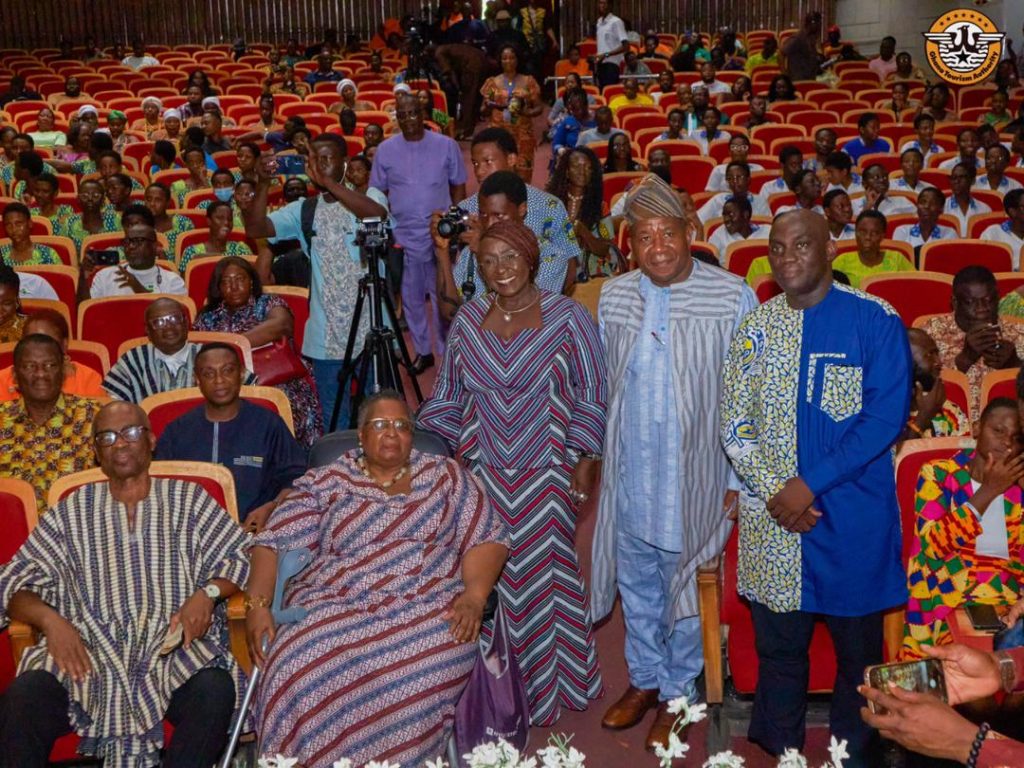
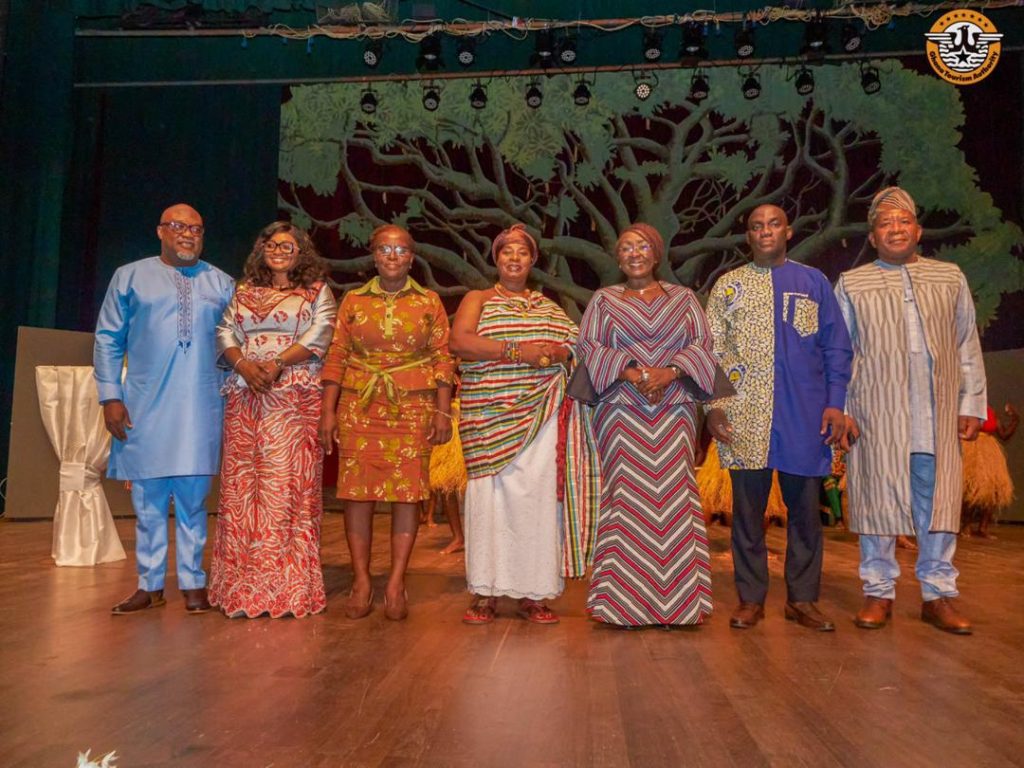
The event formed part of Ghana Month celebrations marking 69 years of independence and was attended by President John Dramani Mahama, the Minister for Tourism, Culture and Creative Arts Abla Dzifa Gomashie, government officials, traditional leaders, and stakeholders in the tourism and hospitality industry.
Addressing participants, Houadjeto said food remains one of the most powerful expressions of national identity, reflecting Ghana’s history, diversity and cultural heritage.
“This gathering is not only a celebration — it is a call to action. It is about redefining how we promote Ghana, strengthening collaboration across the sector, and building a resilient and globally competitive tourism, culture and creative ecosystem,” she said.
Houadjeto explained that Taste 69 @ 69 showcases 69 indigenous Ghanaian dishes to symbolise the country’s 69 years of nationhood while drawing attention to the untapped potential of culinary tourism.
According to her, global travellers increasingly seek authentic cultural experiences, making gastronomy a powerful tool for positioning Ghana on the world tourism map. “Global travellers no longer seek just a destination; they seek a seat at the table of authenticity. Ghana is ready to claim its seat and redefine the world’s culinary map,” she stated.
She highlighted several traditional dishes — including waakye, fufu, banku, tuo zaafi and kenkey — as meals with the potential to become globally recognised brands if properly marketed.
Houadjeto urged restaurant operators, chefs, caterers and hospitality institutions to prioritise Ghanaian cuisine in their offerings, warning that failure to promote local dishes could lead to lost cultural and economic opportunities.
“If we do not promote our food, nobody will do it for us. If we do not preserve our recipes, they will disappear. If we do not commercialise our cuisine, we will lose economic opportunities,” she said.
She stressed that tourism development goes beyond monuments and festivals, noting that food, culture and creativity also shape visitors’ experiences. The CEO reaffirmed the commitment of the Ghana Tourism Authority to work closely with the Ministry of Tourism, Culture and Creative Arts to promote indigenous cuisine, cultural heritage and domestic tourism.
She said the initiative aligns with government’s broader agenda to reset and strengthen Ghana’s tourism, culture and creative ecosystem. “As we celebrate 69 years of Ghana’s independence, let us remember that culture is our strength, heritage is our identity and tourism is our future,” Houadjeto said. “Let us eat Ghana. Let us promote Ghana. Let us experience Ghana. Let us sell Ghana to the world.”
