



The Ghana Tourism Authority (GTA), in partnership with the Musicians Union of Ghana (MUSIGA), the Black Star Experience and other partners, has officially launched the 100 years of Highlife celebration at a ceremony held at the La Palm Royal Beach Hotel in Accra.
The launch, held on Friday, December 19, brought together government officials, Highlife legends, musicians, cultural practitioners and media to mark a century since the birth of Highlife music in Ghana in the 1920s.
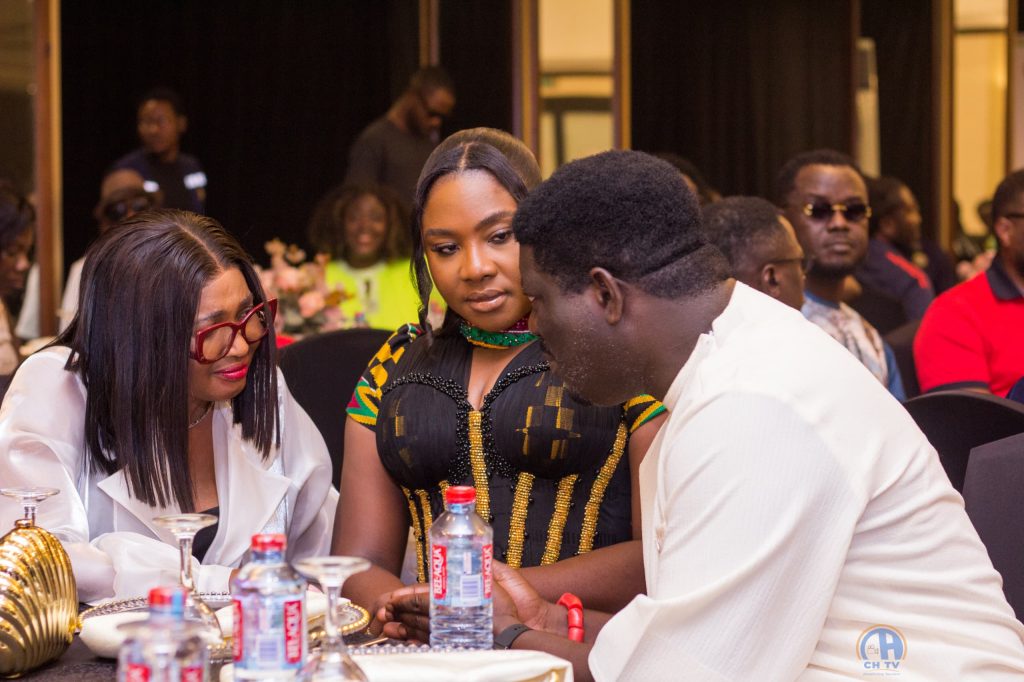
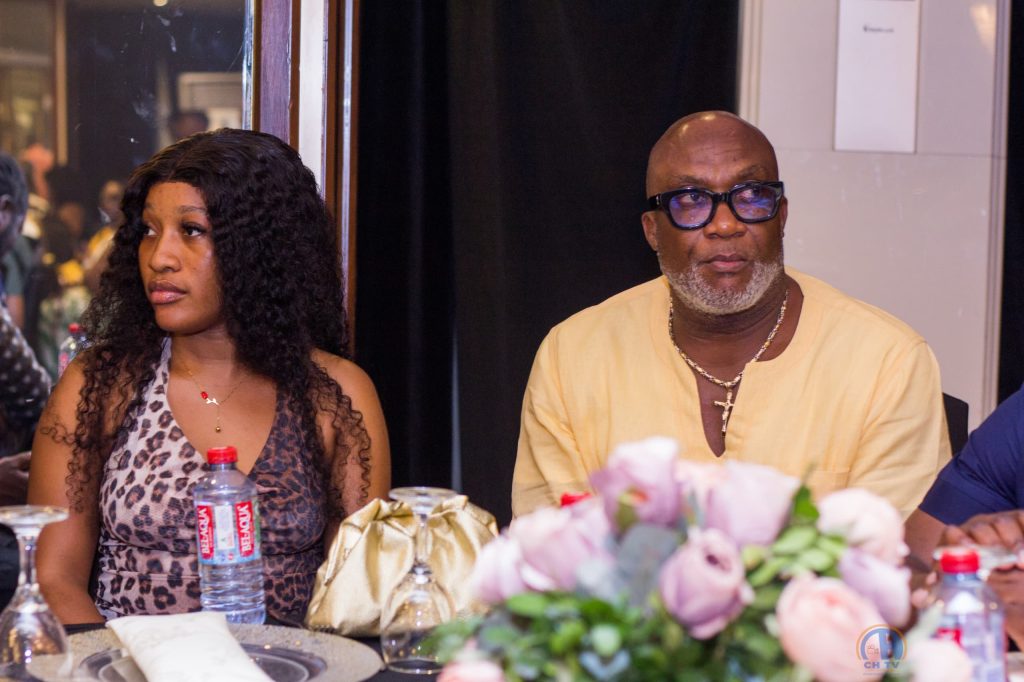
The event was attended by several distinguished personalities, including Professor John Collins, Paulina Oduro, Maame Efua Houadjeto, Ben Annang Nsiah, Amandzeba, Queen Asabia Cropper, Pat Thomas, The Kenteman, Bola Ray and Oheneba Kissi, Managing Director of GoldBod Jewelry and Board Member of GTA, Gertrude Emefa Donkor.
Speaking at the event, the Chief Executive Officer of the Ghana Tourism Authority, Maame Efua Houadjeto, said the celebration was aimed at reaffirming Ghana’s ownership of Highlife and repositioning the genre as a key driver of culture-led tourism and the creative economy.
She described Highlife as a powerful expression of Ghana’s identity, noting that the genre emerged from coastal communities, brass band traditions and palm-wine music, and has gone on to influence musical styles across Africa and beyond.
According to her, the Highlife at 100 initiative is not a nostalgic exercise but a strategic cultural intervention focused on documentation, preservation and celebration, while creating opportunities for younger musicians and creatives to reinterpret the genre for future generations.
Maame Efua Houadjeto also addressed past attempts by Nigeria to claim ownership of Highlife, stressing that Ghana’s origin of the genre has been formally recognised by the United Nations Educational, Scientific and Cultural Organization (UNESCO), which has endorsed Ghana as the originator of Highlife music dating back to the 1920s.
She further commended the Minister of Tourism, Culture and Creative Arts for supporting initiatives that elevate Ghana’s culture globally, adding that music, festivals and heritage remain central to the GTA’s tourism development strategy.
The President of the Musicians Union of Ghana (MUSIGA), Bessa Simon, said the 100 years of Highlife celebration aligns with efforts to drive innovation and sustainable growth within Ghana’s music industry.
“This celebration fits perfectly with our vision of driving innovation and sustainable growth in the music industry,” he said, adding that Highlife remains central to Ghana’s cultural and creative economy.
Bessa Simon added that the anniversary coincides with international recognition of Ghana’s musical heritage, saying UNESCO’s endorsement of indigenous music and dance as part of the world’s intangible cultural heritage validates years of advocacy and collaboration.
“When we started this conversation, UNESCO came in, the Ministry did its part and the Ghana Tourism Authority supported it fully. Today, that work is being recognised again,” he stated.

He paid tribute to pioneers of the genre, including E.T. Mensah and other early musicians, and stressed the need to pass Highlife’s distinct sound to younger artistes.
“We cannot afford to lose Highlife. The next generation must take the mantle, otherwise we fail our existence,” he said.
The launch ceremony was marked by live performances celebrating the richness of Highlife music. Artistes who performed included Asabia Cropper and Kenteman, Pat Thomas, Amandzeba, Adina Thembi and Paulina Oduro, delivering classic and contemporary Highlife renditions to the audience.

As part of the programme, the GTA honoured 20 selected Highlife legends with gold stones in recognition of their contribution to the growth, preservation and global influence of the genre.
The Highlife at 100 celebration forms part of broader efforts to strengthen culture-led tourism and position Ghana’s December festivities as a major cultural and economic driver.
