



For the first time in years, landing beach committees are addressing their communities to explain how proceeds from premix fuel have been managed, a development officials and fisherfolk attribute to the accountability approach instituted under the leadership of President John Dramani Mahama.
At Sekondi, New Takoradi and Abuesi, landing beach committees publicly rendered accounts of premix fuel allocations and sales, including the statutory 53 per cent community development fund, as required under L.I. 2233. The exercise saw committees open their books to fisherfolk, residents, traditional leaders and state officials.
The Administrator of the National Premix Fuel Secretariat, Ebow Mensah, said the exercise reflects a broader shift towards openness and public accountability under the current administration.
“This is about leadership setting the tone,” Mr Mensah said. “Premix fuel is a public subsidy, and under President Mahama’s leadership, there is a clear expectation that public resources must be accounted for openly. What you are seeing at these landing beaches is that principle being applied at the grassroots.”
He said the government spends substantial resources subsidising premix fuel to protect artisanal fishing livelihoods, and the law is explicit that 53 per cent of the margins belong to the community and must be banked and used strictly for development purposes.
“This is not committee money,” he stressed. “It is community money, and the President’s position on accountability makes it clear that this is not negotiable.”
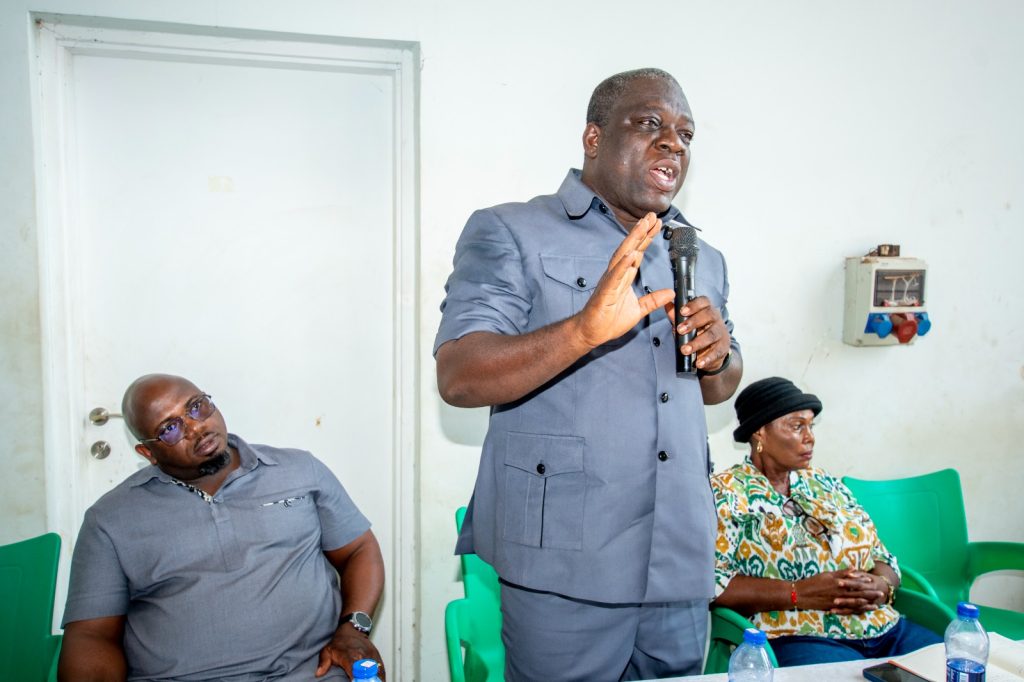
During the pilot accountability sessions, the three landing beach committees presented records of premix consignments received, sales made, profits earned and amounts lodged into community bank accounts for 2025. Bank statements were displayed, and questions were taken directly from community members.
Mr Mensah said the committee’s willingness to subject itself to public scrutiny signals growing confidence in the government’s accountability framework.
“I have been impressed,” he said. “They rendered accounts, they showed the figures, and they showed where the funds belonging to the community are kept. This is how governance is supposed to work.”
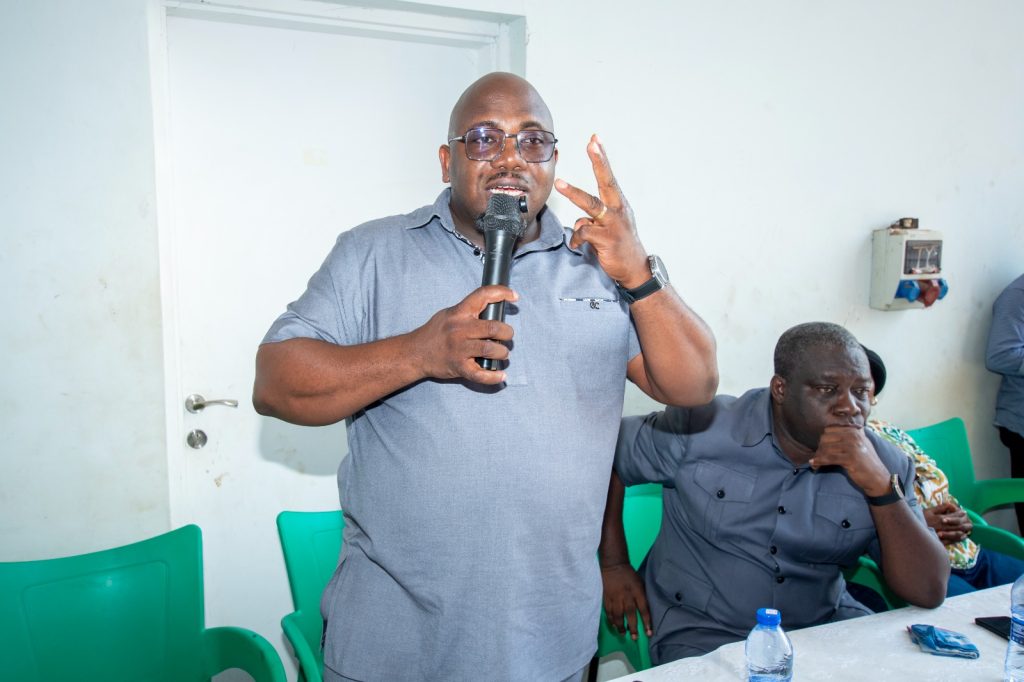
At Sekondi, the committee disclosed that about GH¢126,000 had been raised for community development within ten months, a figure that surprised many fisherfolk. The New Takoradi landing beach committee, within the Takoradi Metropolis, raised GH¢59,000, while the Abuesi committee in the Shama District raised GH¢102,000 for community development.
Among the fisherfolk, reactions were mixed, ranging from relief to cautious optimism.
“I have been fishing here for more than 20 years, but this is the first time I am seeing them show us the books like this,” said Kwame Essel, a canoe owner at the Sekondi landing beach. “If this is the direction the government is taking, then it is a good one.”
At New Takoradi, fishmonger Esi Armah said the accounting session answered questions that had lingered for years.
“Before now, when we asked about premix money, they would say it had been used,” she said. “Used for what? We didn’t know. Today, they showed us the figures and the bank account. That makes a difference.”

Others said the open process reduced tension almost immediately.
“When people don’t know, they fight,” said Yaw Mensah, a crew member at Abuesi. “When they showed the bank statement, people became calm. Now we know where the money is.”
Mr Mensah said the exercise demonstrates how national leadership priorities translate into local governance reforms.
“President Mahama has consistently emphasised accountability in the use of public funds,” he said. “What we are doing with premix is simply applying that principle to a sector that affects everyday livelihoods.”
He added that committees which operated between 2017 and 2024 but failed to render accounts would be required to do so, noting that accountability must address both past and present.
“You cannot talk about transparency and ignore earlier years,” he said. “This government is clear that public trust must be rebuilt.”
The National Premix Fuel Secretariat plans to expand the accountability exercise nationwide in early 2026, covering more than 300 landing beaches.
For fisherfolk like Mary Koomson, who sells smoked fish near the Sekondi landing beach, the hope is simple.
“If they continue like this, we will support it,” she said. “When leaders show that they want accountability, we also feel part of the system.”
As the sun set over the beaches, conversations continued around figures, bank balances and possible community projects. For many, the moment felt symbolic.
“For once,” Kwame Essel said quietly, “it feels like the system is working for the people. And that starts from the top.”
